

copa do mundo jogos de hoje: Match Previews in Brazil in 2026
Kick-off Times
This block sits near the editorial guide on purpose: skim the times here, then use the longer copy below for how to read form, injuries in outline, and what a 'must-watch' actually means.
Following the World Cup takes more than a list of kickoff times: context, recent form, squad status, and the implications for each group help explain what could make a match decisive. This page brings together an editorial approach to today's World Cup games, with a focus on the 2026 schedule and the information that genuinely helps readers understand a match before kickoff. Since the official schedule, squad selections, and fitness conditions can change, always check the latest information from the relevant authorities and confirm the time in your local time zone. The analyses below do not invent scores or present projections as facts; they explain which signs to watch, from pressure during buildup to energy management between matches. The aim is to serve both those just starting to follow international football and those who already compare tactical trends and statistics carefully.
Check the date, local time, and tournament stage.
Team context, styles, and objectives.
Follow confirmed availability news.
Read form and standings in the right context.
How to interpret World Cup match previews in 2026
A good preview starts with the central question of the match: what does each national team need to achieve, and what approach do they usually take to do it? In group matches, the table position, tiebreakers, and remaining fixtures can influence the level of risk. In knockout rounds, the margin for error shrinks and managing the different phases of the game becomes more important. When consulting copa do mundo jogos de hoje match preview, check whether the analysis separates confirmed facts from hypotheses: the time and stadium should come from the official schedule, while tactical predictions should be presented as analysis, not certainty.
Recent form also needs context. A run of recent results does not explain performance on its own: opponents, home advantage, rest, and changes to the starting eleven can affect the comparison. Fans can look at simple indicators such as shot frequency, protection of the penalty area, set-piece efficiency, and the ability to win back possession. These signs help build a fuller picture than simply counting wins or losses. In short tournaments, the sample is small; therefore, figures from previous cycles do not guarantee a repeat in 2026.
The schedule is another important factor. Travel, time between matches, and temperature can affect the pace, especially when a team relies on intense pressing or quick transitions. Check the time shown on the page and convert it to Brasília time if necessary. Schedule changes should be confirmed before kickoff. Coverage from copadomundojogosdehoje.site should be read as an editorial guide and supplemented with official tournament updates.
Three useful questions before kickoff
- ✔ What result or group scenario is at stake for each national team?
- ✔ Has the team had enough rest and does it have options to maintain intensity?
- ✔ Could the opponent's style exploit space on the wings or between the lines?
- ◆ Do the statistics being compared cover the same period and equivalent competitions?
For beginners, these questions make the analysis clearer without requiring advanced tactical knowledge. For those who follow data, they help avoid hasty conclusions based on a single match.
Lineups, fitness, and signs to watch
Lineup information changes during preparations and should be handled accurately. A confirmed absence does not automatically mean a drop in performance: the national team may have alternatives with different attributes, change its formation, or redistribute responsibilities. Likewise, a fitness concern should not be presented as a definite absence before an official announcement. On this page, squad news is described in general terms; final confirmation depends on the lists released by the teams and the competition organizers.
When assessing the impact of a change, look at the player's role, not just their name. The absence of a defensive midfielder who shields the defense may require the fullbacks to advance more cautiously. The absence of a fast winger may lead the team to build with short passes and a stronger presence through the middle. If a center-forward is unavailable, the national team may opt for mobility and pressing from the front line. These are tactical scenarios, not guaranteed predictions. The official lineup, released shortly before kickoff, is the most reliable reference for understanding the plan.
It is also worth following workload management throughout the tournament. Players returning from injury may have their minutes managed; players involved in many high-intensity actions may lose explosiveness toward the end. Rather than making assumptions about a medical condition, look for public statements, comments from the coaching staff, and verified information. The same caution applies to suspensions: accumulated cards and disciplinary decisions should be checked against the competition's rules and official records.
This approach is useful for following both favorites and less familiar opponents. A player's availability can change the balance in one area of the pitch, but team performance depends on coordination, execution, and adaptation. In 2026, check recent updates and avoid sharing unsourced rumors. Responsible coverage distinguishes confirmed news, expected lineups, and editorial analysis.
Head-to-head records and data: what history explains—and what it doesn't
The history between national teams can reveal recurring styles, but it does not determine the next result. Squads, coaches, playing styles, and competitive context change from one edition to another. When reading a head-to-head record, check how many matches were played, in which tournaments, and during what period. An old run of results may have little value when assessing current form, while even a recent match needs to be interpreted in light of the lineups and circumstances at the time. No past score guarantees the outcome of a new match.
The most useful statistics usually answer specific questions. Possession shows territorial control, but on its own does not measure the quality of chances. Total shots become more meaningful when divided into attempts from inside and outside the penalty area. Pressing can be assessed through recoveries in advanced areas, while set pieces call for attention to deliveries, positioning, and second balls. If the page presents figures, check the source, competition, and period covered; comparing different samples can create a misleading impression.
To interpret a group table, follow points, matches played, and the official tiebreaking criteria. Positions can change after each round, and a team may still depend on other results. Do not confuse a provisional standing with a final table. In national-team tournaments, specific regulations determine how the top teams advance and how ties are resolved; consult the rules in force for the 2026 edition. This content avoids reproducing a complete standings table, since schedule and table data should be updated by the site's results module.
A balanced reading combines data and observation. If a team creates chances but gets few shots on target, the issue may lie in the final pass or the opponent's pressure. If it allows few attacks but struggles with aerial balls, that pattern deserves attention. Indicators do not replace watching the match: they help formulate better questions and follow adjustments. For today's World Cup games, always compare recent information with the context of the stage, the opponent, and the available rest.
National teams and competitions to follow in the international landscape
The suggestions below are editorial points to watch, not a confirmed schedule or a list of scheduled matchups. Whether a national team appears in a particular match depends on the official schedule and qualification for the competition. Each card highlights factors that help Brazilian fans follow international matches with context, without inventing results. Check the updated schedule to find out which games are taking place today and which are on other dates.

Brazil National Team
Watch how Brazil balances width on the flanks, pressure after losing the ball, and protection against transitions. The choice of midfielders may indicate whether the team aims to control possession or launch attacks more frequently.
View sports coverage
Argentina National Team
Focus on the coordination between midfield and attack and the ability to manage different tempos. When reviewing past results, separate tournament matches from friendlies to avoid mixing different competitive contexts.
View sports coverage
France National Team
The squad's depth offers a chance to assess options for pace and physical strength, but the chosen structure depends on the players available. Watch the space between the lines when the team pushes its full-backs forward.
View sports coverage
Portugal National Team
Portugal offers a good case for following ball circulation and use of the channels. Recent form should be considered alongside the level of the opposition and the roles assigned to creative players.
View sports coverage
Spain National Team
When analyzing Spain, follow its patience in building play and its immediate reaction to losing possession. Occupying the midfield can open passing lanes, but also requires coordinated cover to prevent counterattacks.
View sports coverage
England National Team
The balance between intensity and control is one aspect to watch. Compare play down the flanks with central combinations, and see whether the team stays compact when it has to defend near its own box.
View sports coverage
Germany National Team
When following Germany, watch the speed of its passing and the timing of its press. Changes to the defensive line can alter the height of the block, so the confirmed lineup is essential for putting the preview in context.
View sports coverage
Japan National Team
Japan is often an interesting team to watch for its collective organization, mobility, and transitions. Assess how the team protects the center when it speeds up down the channels and whether it can sustain its intensity throughout the match.
View sports coverage
Morocco National Team
Morocco deserves attention for its defensive discipline and ability to break forward quickly. The space available after winning the ball can be decisive for tactical analysis, but it does not make it possible to predict a result.
View sports coverageImages and visual coverage of the matchday
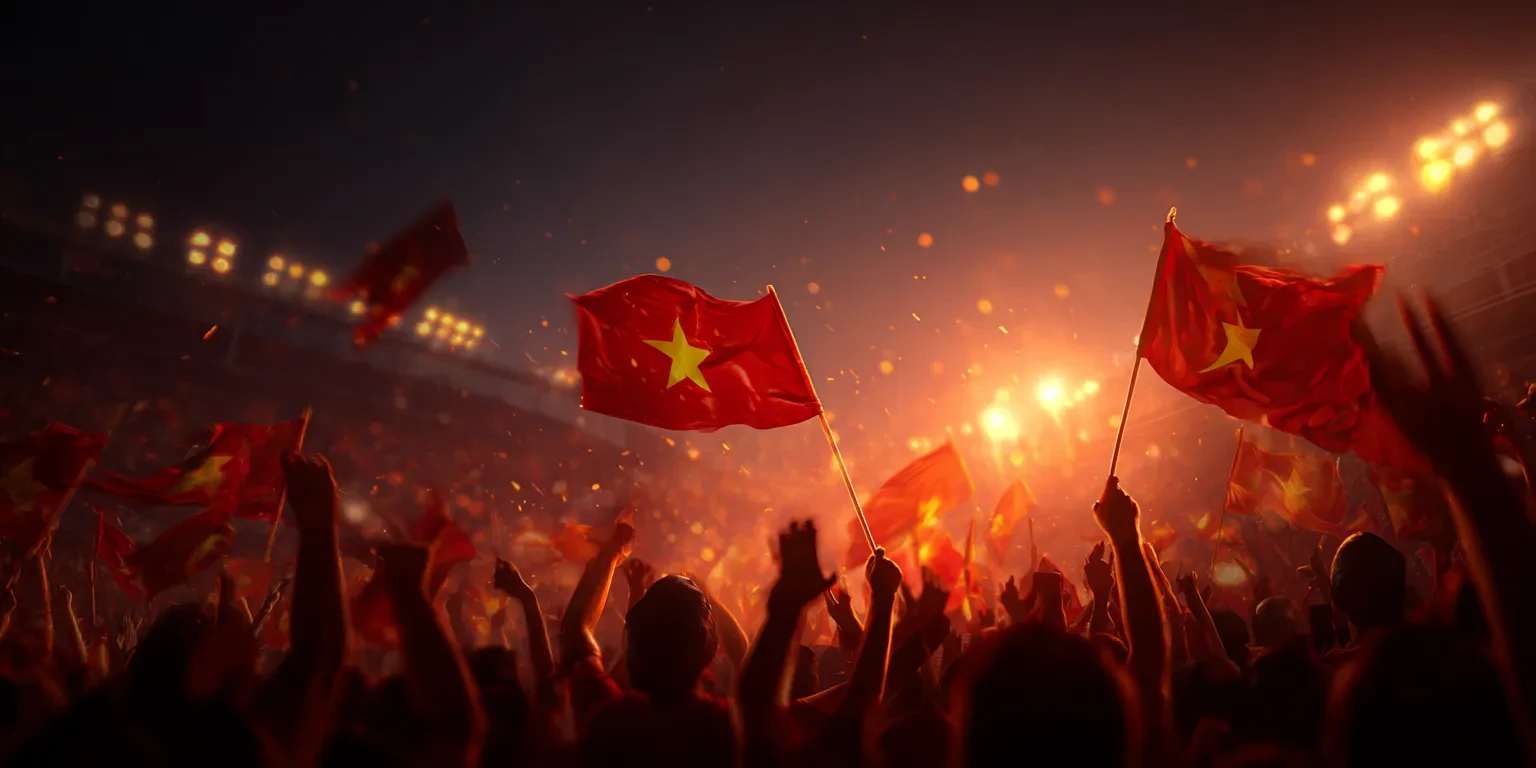
The images illustrate the sporting atmosphere and help organize the coverage; they do not represent lineups, scores, or confirmed matches. To follow the matchday, use the site's score and schedule modules, which may be updated in line with the official schedule. The selection below reinforces the international coverage theme, while prioritizing verifiable information.


How to read the schedule, score, and standings without losing context
Quick guide to the games page
- ✔ Check the date, time zone, and stage before comparing matches.
- ✔ Distinguish between a scheduled game, a match in progress, and a final result.
- ✔ In the standings, consider matches played and tiebreaking criteria.
- ✔ Look for the last-updated time when checking live information.
Scores and schedules are dynamic data. A change of time, disciplinary decision, or result update can affect how you read the matchday. For those following on a mobile phone, a copa do mundo jogos de hoje sports app can make it easier to access alerts and results, provided the source clearly identifies the competition and update time.
Editorial update note
The observations on this page provide pre-match context and do not replace official announcements. No fabricated scores, predictions presented as certainties, or manually maintained table that could become outdated are included. The site's fixtures system should provide available games and results, while the analysis explains trends and points to watch.
For a quick check on your phone, the term copa do mundo jogos de hoje app may refer to a mobile access experience, but always confirm that the displayed schedule matches the desired edition and time zone. The latest information should take precedence over screenshots or old posts.
Frequently asked questions about World Cup games and previews
How do I find today's World Cup games?
Check the match module on this page and confirm the date, time, and stage shown. Since the schedule may change, confirm the local time zone and look for the update marker. If no match is listed for today, that does not mean the schedule is incomplete: there may be a break in the matchday, or games may take place on another date.
Do previews show official lineups?
Not necessarily. A preview may outline tactical possibilities and general squad information, but a lineup should only be considered confirmed after it has been officially announced. Injuries, suspensions, and coaching decisions can change things close to kickoff. So distinguish between a player expected to feature, a fitness doubt, and a confirmed absence when interpreting any news.
How should I interpret the head-to-head record between two national teams?
Consider the period, competition, and context of the recorded meetings. Older matches may involve different coaches and squads, while friendlies do not carry the same pressure